
1/6/2025
Looking at the works of the digital video artist Jingchao Yang to date, a clear theme emerges: critical engagement with the effects of human activity on the natural environment. Yang's three works, Churning Seas (2025), Ignition (2025), and Vanishing Rivers (2026), discuss a wide variety of ecological issues, bringing awareness to the negative effects of human activity on Earth. By fusing live-action footage and virtual imagery, he brings the viewer into micro-environments which encapsulate ecological issues, forcing focused interaction with these settings and contemplation of change.
Across all three works, Yang deliberately removes the human figure while leaving behind evidence of human activity. This absence forces viewers to confront environmental destruction without being distracted by individual blame or responsibility, while emphasising the scale and permanence of humanity's impact.
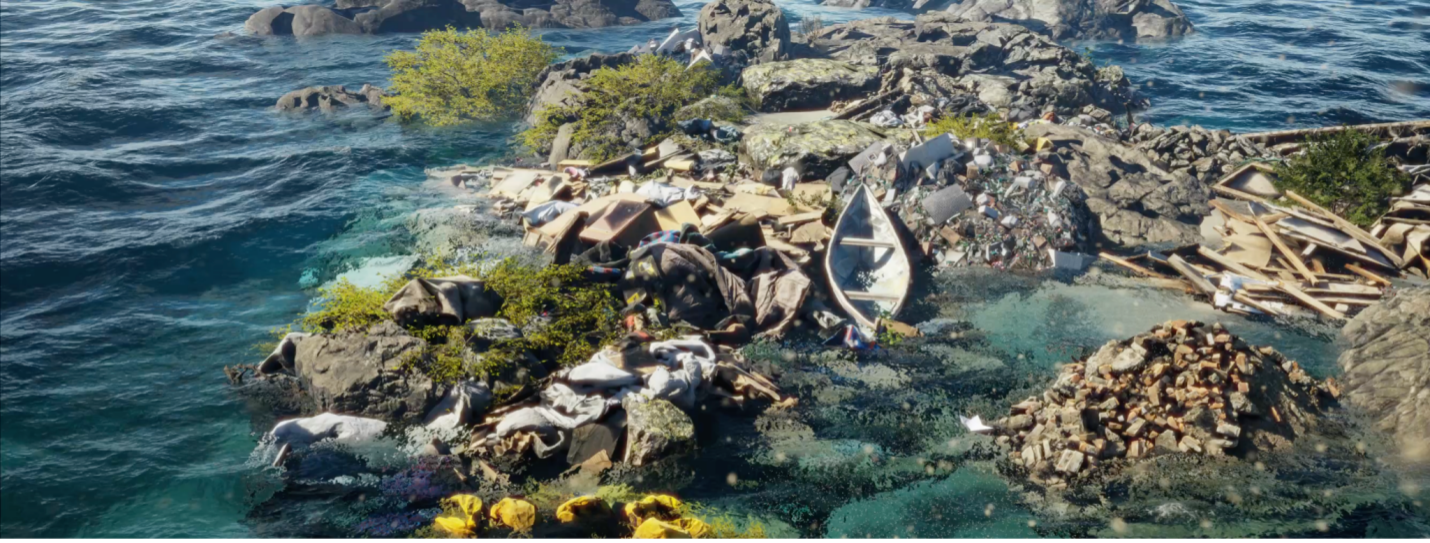
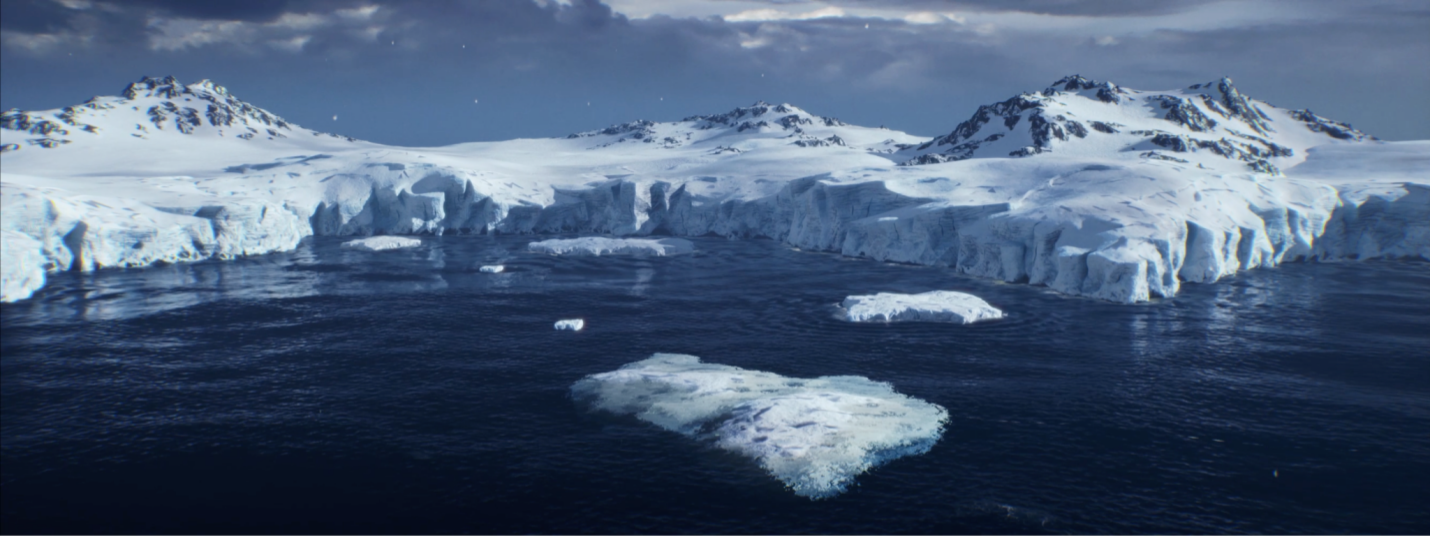
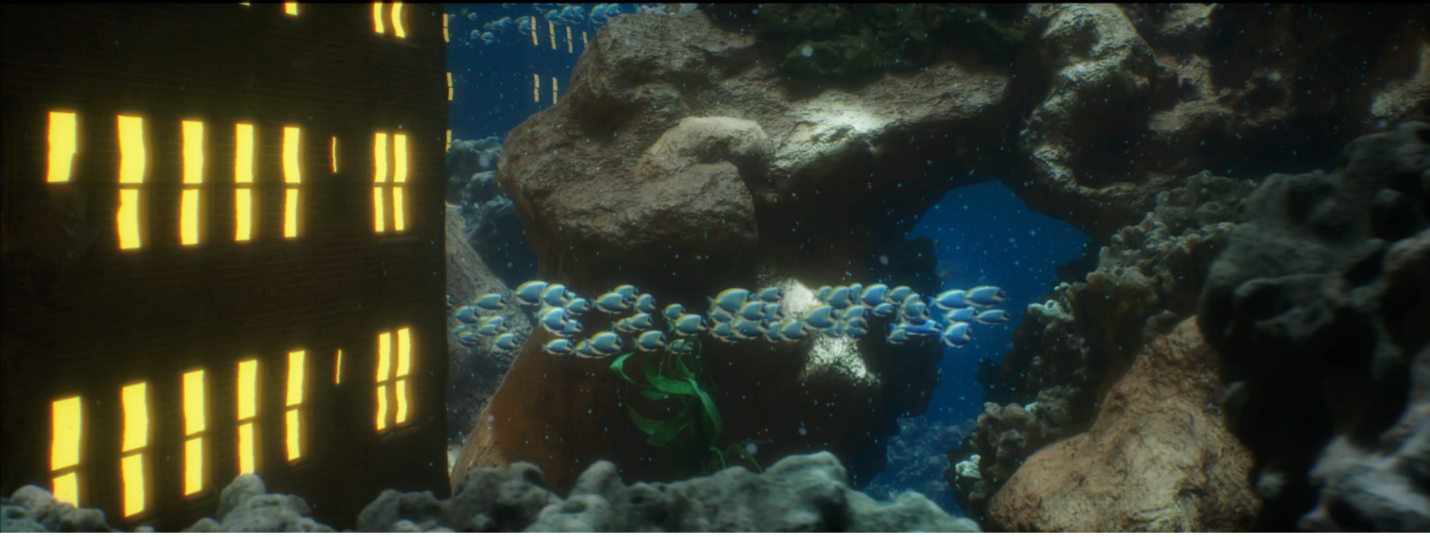
In Churning Seas, a paper boat, symbolic of humanity, is ever present, eventually sinking into a submerged city to rest at the bottom of the sea, perhaps indicating a possible future for humanity should climate change continue unchecked. By placing pollution, melting glaciers and coral bleaching within the same narrative, ChurningSeas integrates geographically separate ecological crises into a single interconnected visual narrative. This encourages viewers to understand these issues as interconnected symptoms of broader environmental degradation, rather than as isolated events. Yang brings the long-term effects of these issues into sharp focus by ending on a sunken city, devoid of human life and reclaimed by the coral reef. This brings the effects of human activity on the sea, which can sometimes feel disconnected, back into the human realm, revealing real consequences for human life, and indicating a direct relationship between sea health and human survival and creating a sense of unease about the future of humanity.
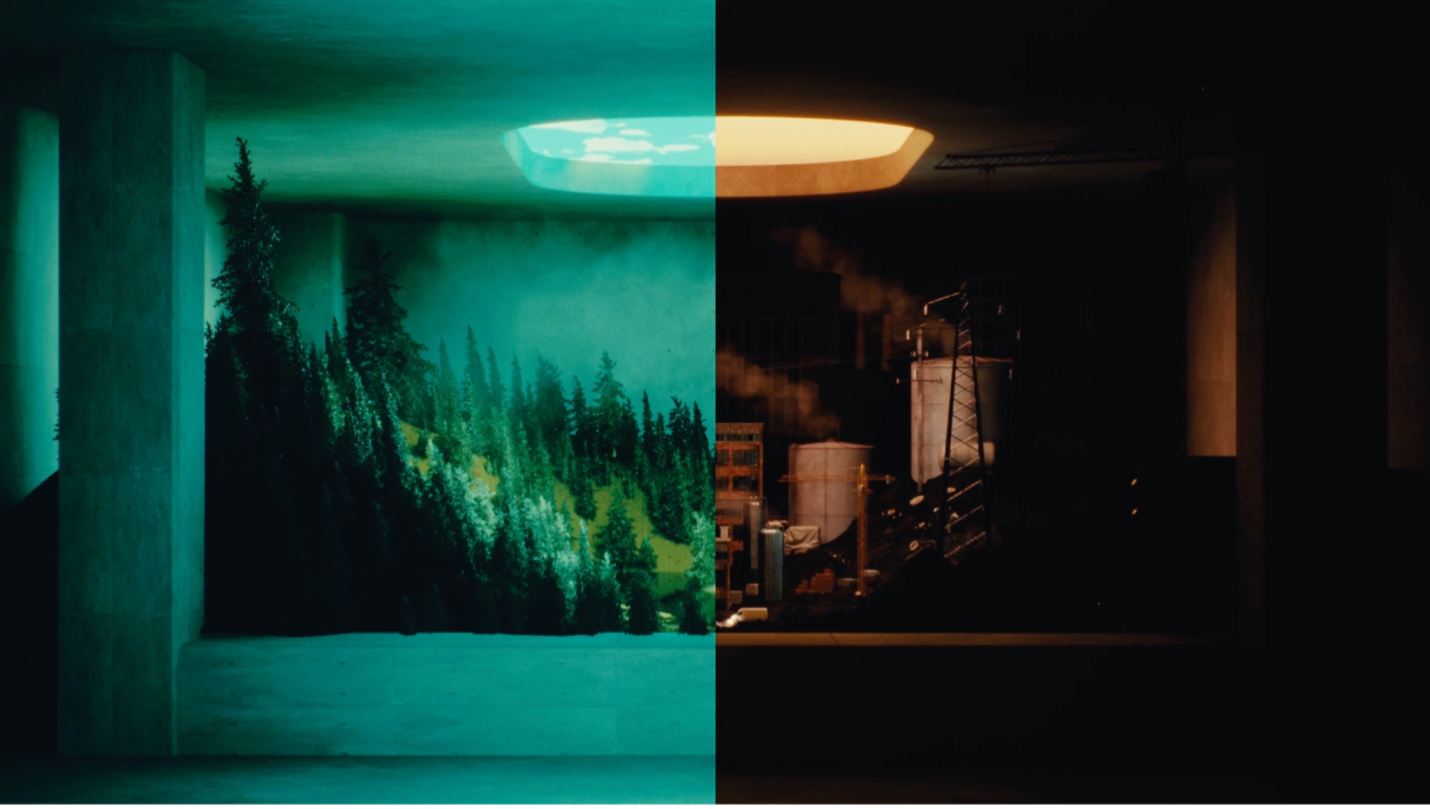
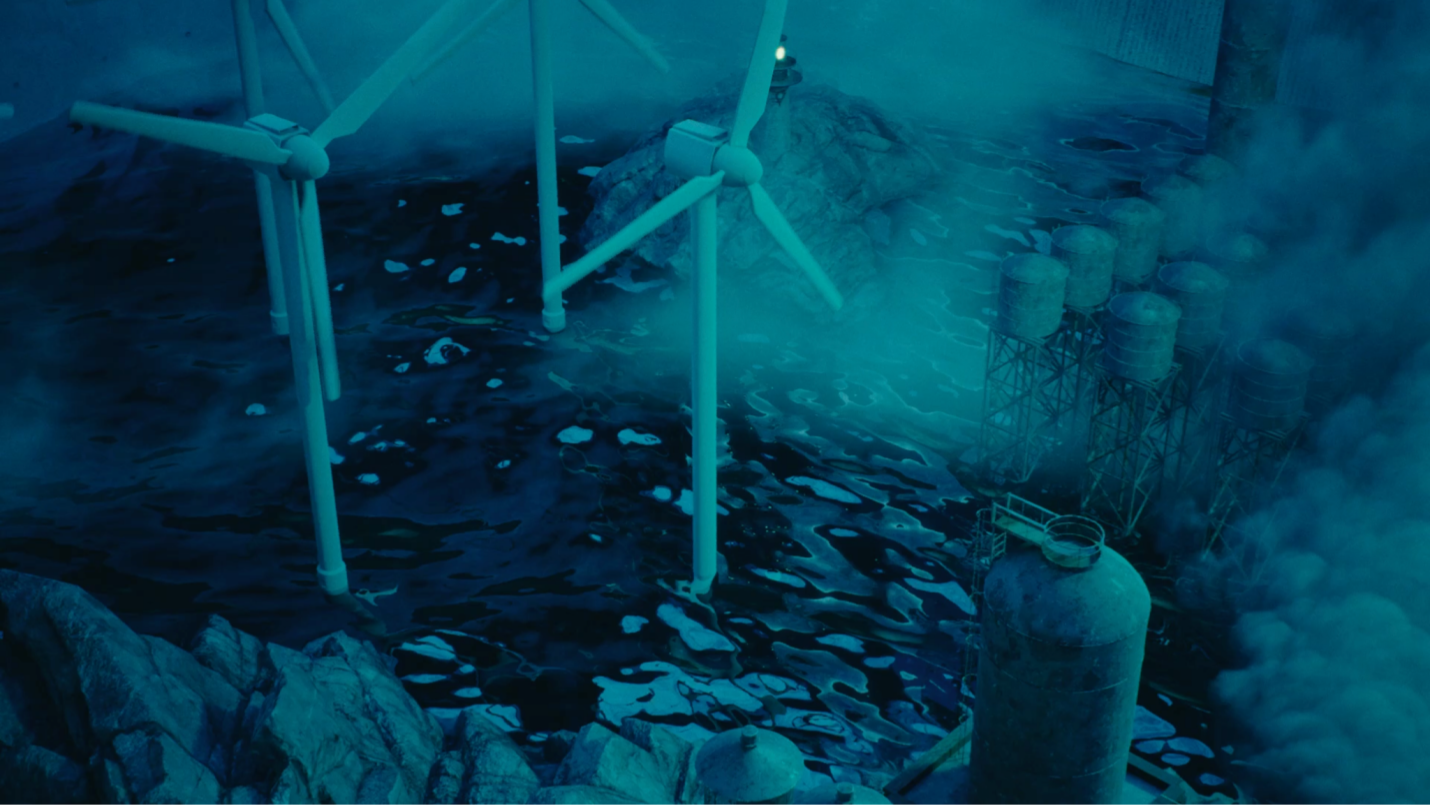
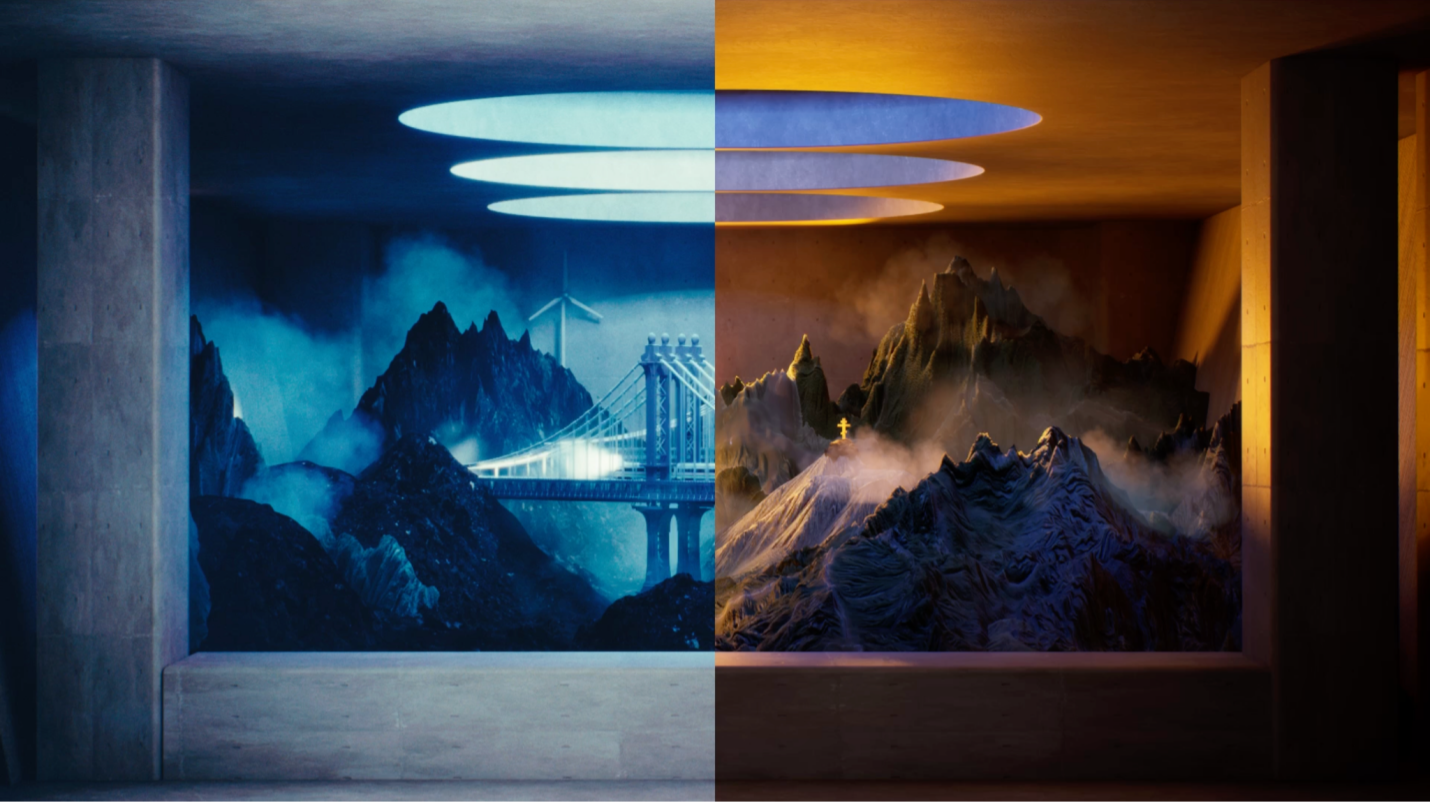
In each scene in Ignition, the transformation from natural landscape to industrialised environment is accompanied by the appearance of a robot, acting as an impartial, almost emotionless viewer, suggesting a society that has become disconnected from the environmental consequences of its actions. Ignition centres on humanity's ever-increasing reliance on energy, the process by which it is collected, and the effects that these methods have on our surrounding ecosystems. Yang creates four micro-environments and visually demonstrates how each is changed by energy collection. A forest is chopped down for lumber, a mountain is dominated by a bridge and wind turbines, the sea is populated by wind turbines and an oil rig, and a meadow is confined by industrial factories.Rather than presenting a simple opposition between sustainable and unsustainable energy sources, Yang complicates the discussion by showing wind turbines alongside oil extraction sites. The visual similarity between these transformed landscapes suggests that all forms of energy production require some degree of environmental intervention, directly challenging simplistic narratives of technological progress. In displaying a variety of landscapes undergoing similar transformations, Yang shows that environmental disruption is not an isolated event but a worldwide process, and a universal consequence of modern energy consumption.
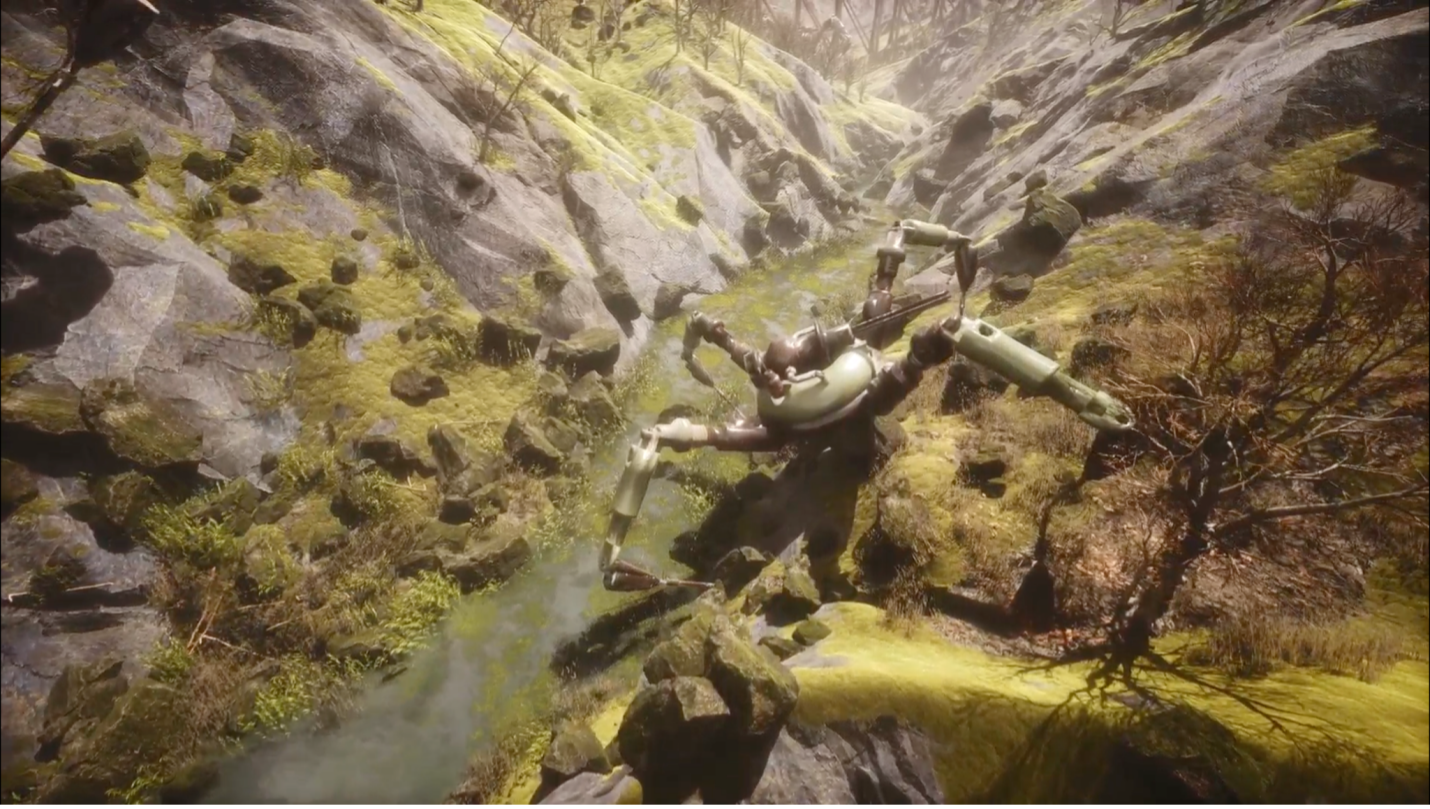
Vanishing Rivers depicts a river in three stages, from a fully flowing ecosystem with flora and fauna to a fully dried river which has morphed into a war zone. Over the course of the piece, the presence of four-legged machines becomes increasingly visible as the river recedes and eventually appearing lifeless, lying motionless on the bank, indicating the symbiotic relationship between humanity and its waterways.Once again, there is no direct human interaction shown; the change in the river suggests the placement of a dam or the complete use of the water source, removing the very life source of the ecosystems that rely on it.
Another consistent element in Yang's works are the accompanying soundscapes, which work to curate a more immersive experience.These soundscapes employ disturbing, rhythmic sounds and songs contrasted with environmental noises, such as the wind and animal noises intensifying the contrast between untouched nature and the product of human intervention. This creates a continuous tension which is perpetuated through the coupling of visuals and soundscapes into one cohesive experience.
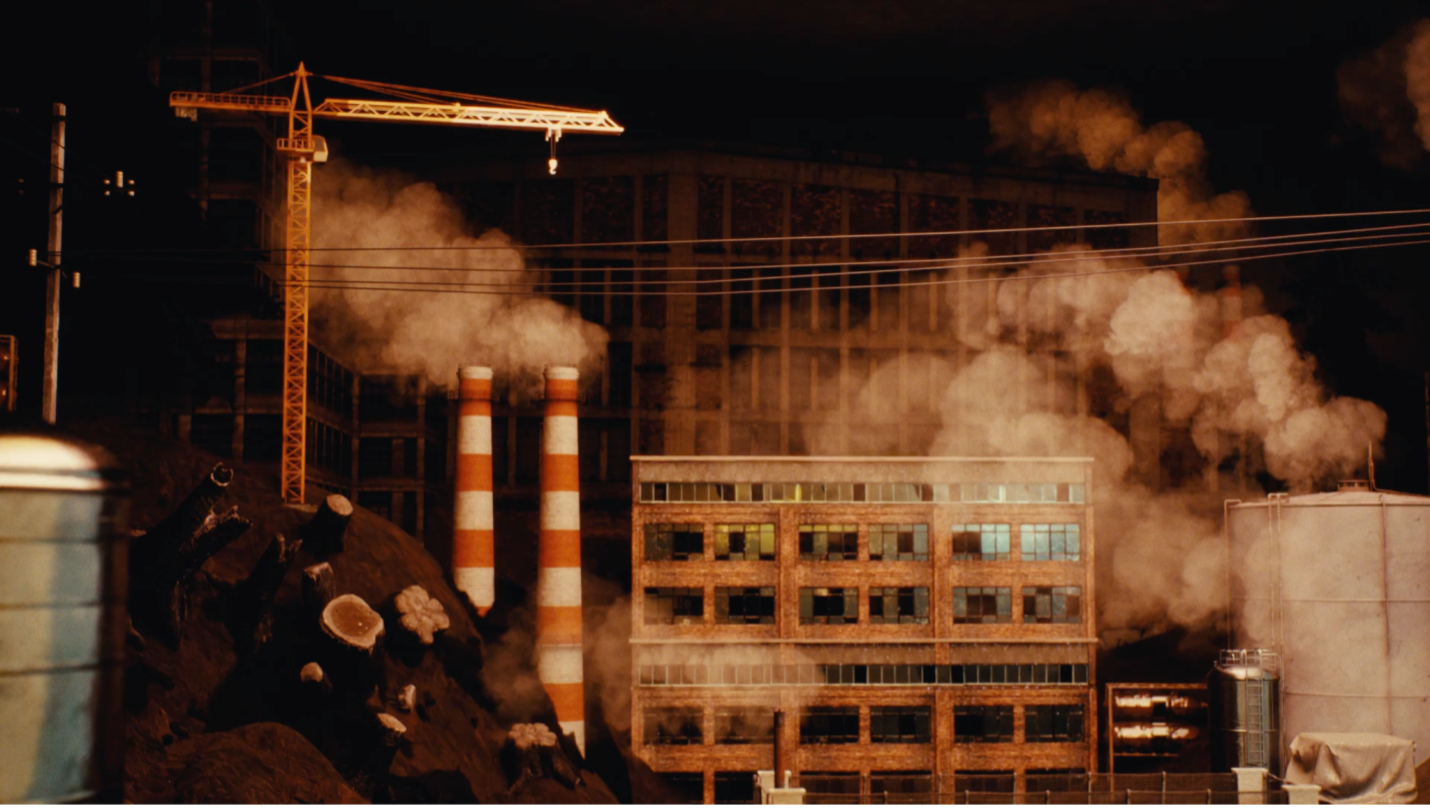
There is a clear overarching message in these works: human intervention in nature is destructive. However, Yang's exploration of this theme through the digital video medium goes further than this, employing subtle visual metaphors which deepen the viewer's interaction with the scenes. The digital video format allows Yang to visualise speculative futures that could not be captured through documentary footage. The submerged city in Churning Seas and the industrially overwhelmed landscapes of Ignition function as imagined warnings rather than records of reality, giving the works a distinctly cautionary tone. Going further than documenting environmental crises and distant events, Yang transforms them into immersive and emotionally charged experiences, encouraging viewers to confront the fragility of natural systems and humanity’s responsibility for the future of ecological environments and society.